
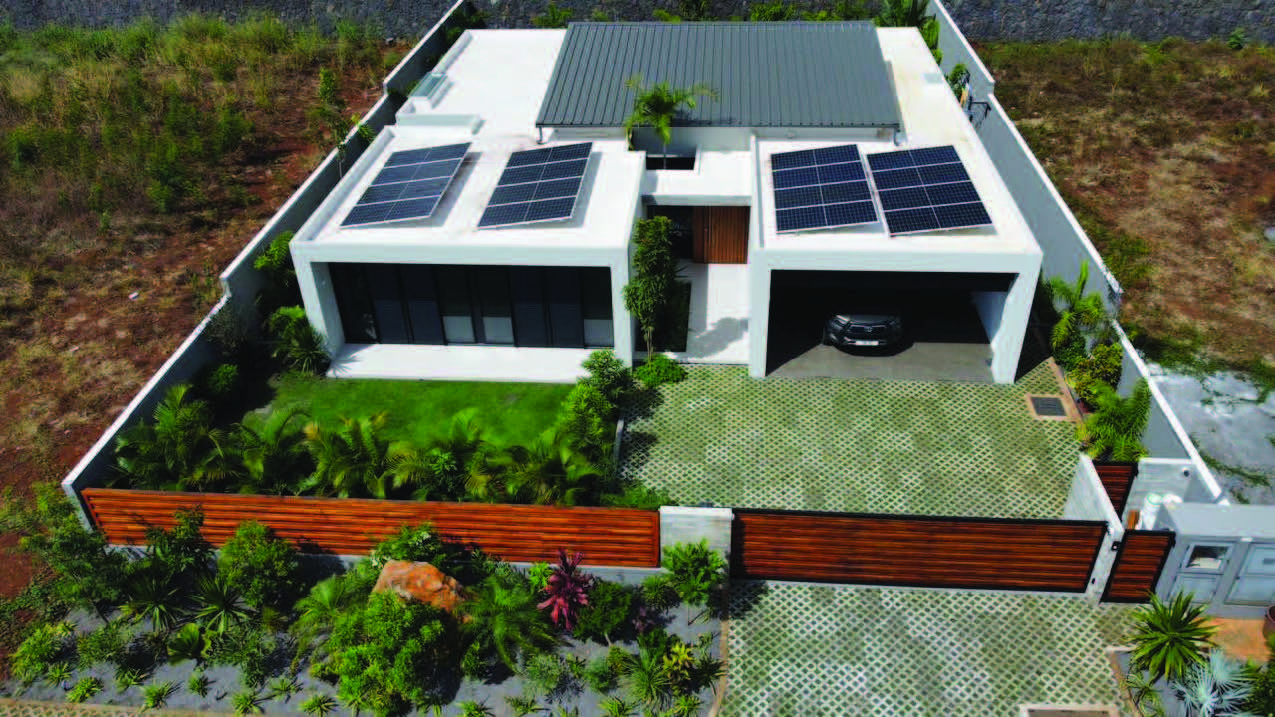
The 2026 CEB solar scheme, explained.
A grant of up to Rs 75,000, Rs 4.83 for every unit under gross metering, and a battery only above 3.5 kW. What the CEB's rules, as revised in July 2026, mean for your roof.
Four numbers decide most of it.
The CEB's Household Rooftop Solar PV Scheme took over from the old SSDG net-metering scheme in April 2026, and the CEB revised it in July. It is open to households on a CEB domestic account: you register at a CEB Customer Services Centre, install, and the CEB connects you on a 20-year agreement.
The 2026-2027 Budget added a grant of 25% of the cost of the system, up to Rs 75,000 per application, handled by the Development Bank of Mauritius (DBM). Any system costing Rs 300,000 or more reaches that cap.
Below, each rule in plain words and with the CEB's own figures. Where the CEB says a figure still awaits approval, we say so too.
Source: the CEB's scheme page and leaflet, revised July 2026. Checked on 5 October 2026.
Credited for every unit
Gross metering credits all you produce at Rs 4.83 a kWh.
Or offset your bill
Net metering lets each unit you make cancel one you would buy.
Twenty years
Your agreement with the CEB runs for twenty years.
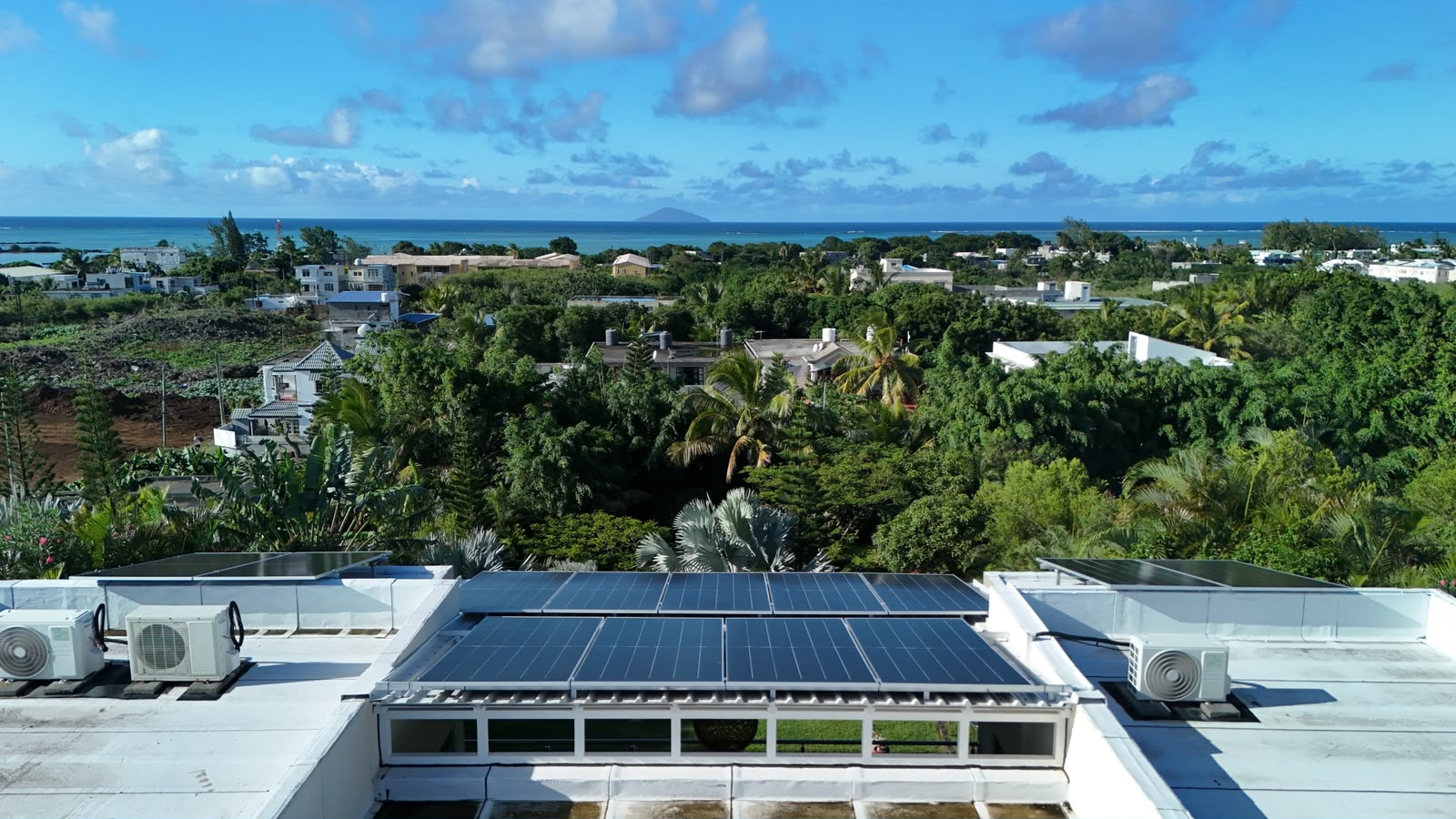
Two ways to be credited.
When you register, you choose how the CEB counts what your roof produces. That choice decides what each unit is worth to you.
| Mode | How it works |
|---|---|
| Gross metering | Everything the system produces counts as exported and is credited to your CEB account at Rs 4.83 per kWh. You go on buying all the electricity you use at your normal tariff. |
| Net metering | Each unit you produce cancels a unit you would have bought. Above 500 kWh a month you pay a solidarity contribution (CST) on the units cancelled: Rs 0.82 per kWh from 501 to 1,000 kWh, Rs 1.63 above 1,000 kWh. |
| Monthly surplus | Under net metering, units left over at the end of the month are credited at Rs 3.00 per kWh. |
| Network charge | Net-metering households are exempt, until further notice, from the power base and network charge of Rs 163 per installed kW. |
Net metering tends to pay more when your system produces no more than you use in a month and your tariff is well above Rs 4.83 a unit; gross metering can pay more when you produce far more than you use. The CEB itself advises a financial assessment of the investment, not only a technical design, so work it out on your own bills before you choose. Homes in IRS and RES developments are billed on a time-of-use tariff (150D) instead, and the net-metering tariff (150A_NM) is still subject to the Utility Regulatory Authority's approval.
A battery above 3.5 kW, and four limits on size.
Any system above 3.5 kWac must include a battery able to cover the household's evening needs for at least three hours. At 3.5 kWac or less, the battery is optional. That is the July revision: from April to July, every new system needed one.
A Mauritian roof yields about 4.5 kWh per installed kW a day, so 3.5 kW produces roughly 470 kWh a month. A household that uses more than that, and wants solar to cover it, will need a battery.
- Up to 50 kW can be installed under the scheme
- Export to the grid is capped at 5 kWac per phase
- Exporting more than 5 kWac needs a three-phase supply
- Above 10 kWac, the CEB surveys the network and issues a Letter of Intent first
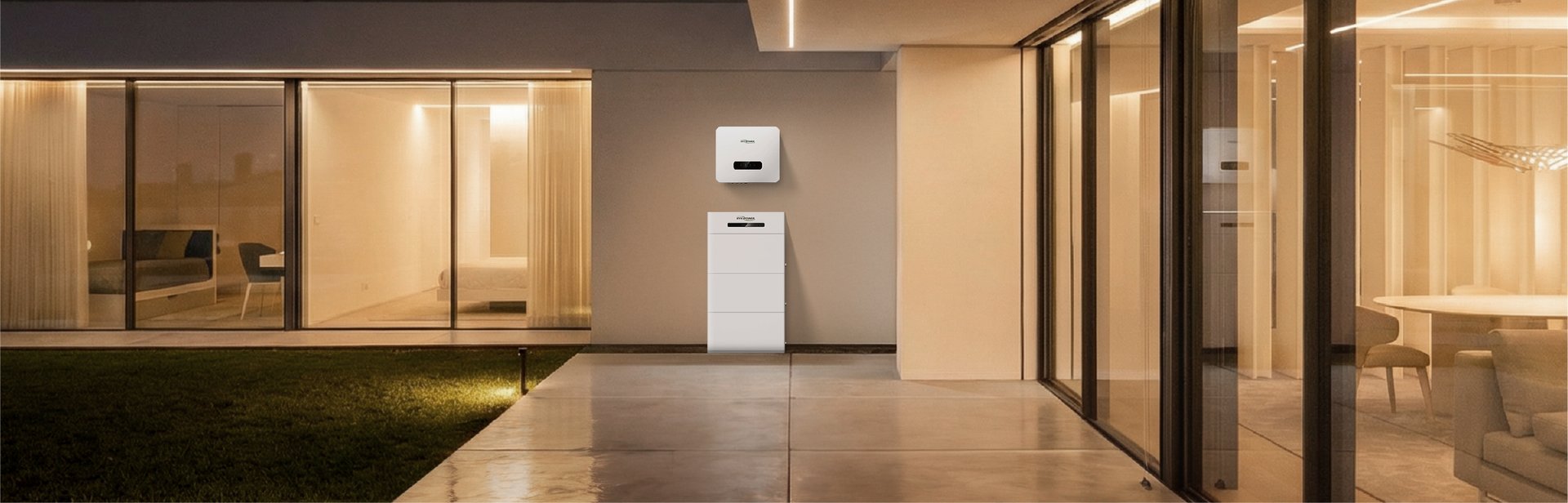
How you join the scheme.
Register
At any CEB Customer Services Centre, with your ID card or passport, your title deed or lease, a recent CEB bill, and a signed letter if someone applies on your behalf. You sign the Connection Agreement there, and a Rs 2,000 processing fee is added to your electricity account.
Install
Once you are registered, the system can be installed. It has to meet the CEB's grid code (the SSDG Grid Code of April 2026) from the first day.
Documents
After installation you hand in a description of the system (Annex 1), the Certificate of Installation signed by you and a qualified installer, and the as-made wiring diagram.
Inspection & connection
The CEB inspects the installation. Any work it asks for must be done within a week, after which you tell the CEB on 8912. It then fits its meters and connects you; the connection fee and the metering costs are yours.
The CEB scheme, answered.
How much is the solar grant in Mauritius in 2026?
25% of the cost of a rooftop solar system, up to a maximum of Rs 75,000 per application. It was announced in the 2026-2027 Budget (Measure 131), Rs 270 million has been set aside for it for 2026-2027, and the Development Bank of Mauritius (DBM) sets its terms and conditions. Check your eligibility with the DBM before you count on it.
Do I need a battery to join the CEB scheme?
Only if your system is above 3.5 kWac. It must then include a battery able to cover your household's evening needs for at least three hours. At 3.5 kWac or less, the battery is optional. From April to July 2026 every new system needed one; the July revision relaxed the rule.
Is gross metering or net metering better?
Gross metering credits every unit your system produces at Rs 4.83, while you keep paying your normal tariff for everything you use. Net metering lets each unit you produce cancel one you would have bought, less a solidarity contribution of Rs 0.82 or Rs 1.63 a unit if you use more than 500 kWh a month, and pays Rs 3.00 for each unit of monthly surplus. Net metering usually comes out ahead when you produce no more than you use and your tariff is well above Rs 4.83 a unit; your own bills settle it.
What does it cost to apply?
A non-refundable processing fee of Rs 2,000, added to your CEB account when you register. The connection fee and the cost of the CEB's meters are yours too, charged to the same account.
How big a system can I install under the scheme?
Up to 50 kW. What the system may push into the grid is capped at 5 kWac per phase, so exporting more than 5 kWac needs a three-phase supply, and above 10 kWac the CEB surveys the network and issues a Letter of Intent before you install. The CEB also advises sizing the system to the electricity you actually use, going by your past bills.
I already have solar under the old SSDG scheme. Can I join?
Not on the same electricity account while your current agreement stands: the CEB accepts the application only once that agreement has been terminated or amended. Ask the CEB which applies to you before changing anything.
Can businesses apply?
No. This scheme is only for customers in the CEB's domestic category. Commercial and industrial sites connect to the grid under other CEB arrangements, and we install for both.
Is there a tax deduction for solar in Mauritius?
Yes, for eligible individuals: the Solar Energy Investment Allowance (SEIA) lets you deduct the amount invested in a solar energy unit during the income year from your taxable income. The Mauritius Revenue Authority (MRA) sets the conditions.
Join the scheme, paperwork included.
We prepare and lodge the CEB paperwork as part of the job, not as an extra line on the invoice. Start with your last CEB bill.