
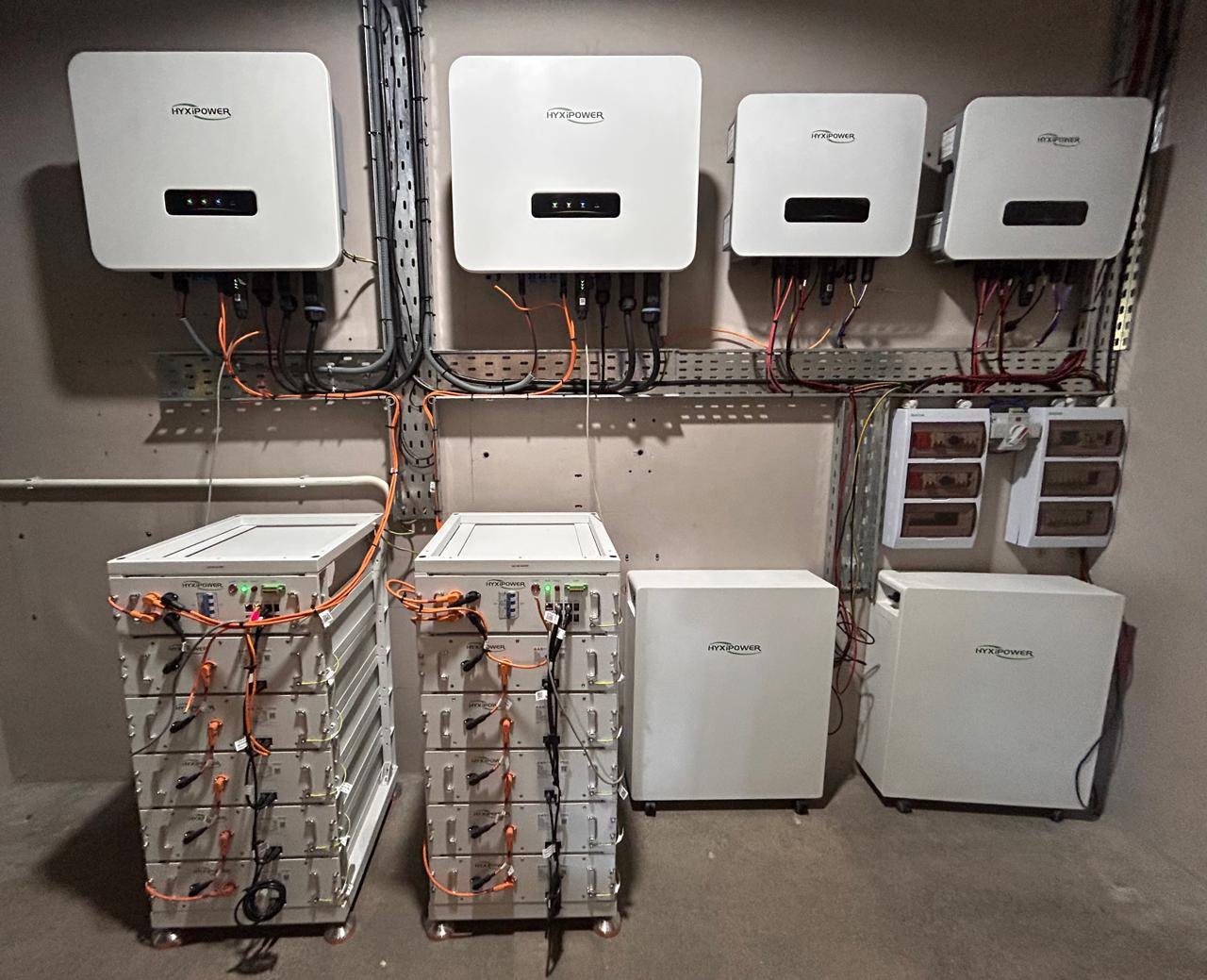
Hybrid, string and module-level inverters from 3 kW to 50 kW, single and three-phase — the component that decides what the rest of your system can ever do.
A photovoltaic panel produces direct current at a voltage that varies with the light and the temperature. Everything in your building expects 230-volt alternating current at a steady 50 Hz. The solar inverter is what converts one into the other, and it does it thousands of times a second.
That is the easy half of its job. The harder half is finding the point on the panel's curve where it delivers the most power — the maximum power point — and holding the array there while a cloud crosses, a panel heats up, or a tree shades one corner of the roof. This is MPPT tracking, and the quality of it is a real difference between a good inverter and a cheap one.
The inverter is also the component that decides what your system will ever be able to do. Panels can be added. Batteries can be added. But whether the system can charge a battery at all, whether it can keep running in an outage, and whether it can be expanded without being replaced — those are all properties of the inverter you chose on day one.
Which is why we would rather specify one size up than sell one that exactly fits today's array. It is the single component in a solar installation where being slightly generous is cheap and being slightly short is expensive.
Holds the array at its best operating point, all day.
A hybrid unit runs with no battery — and takes one later.
AFCI and rapid shutdown on the DC side, as standard.
Production and consumption visible from your phone.
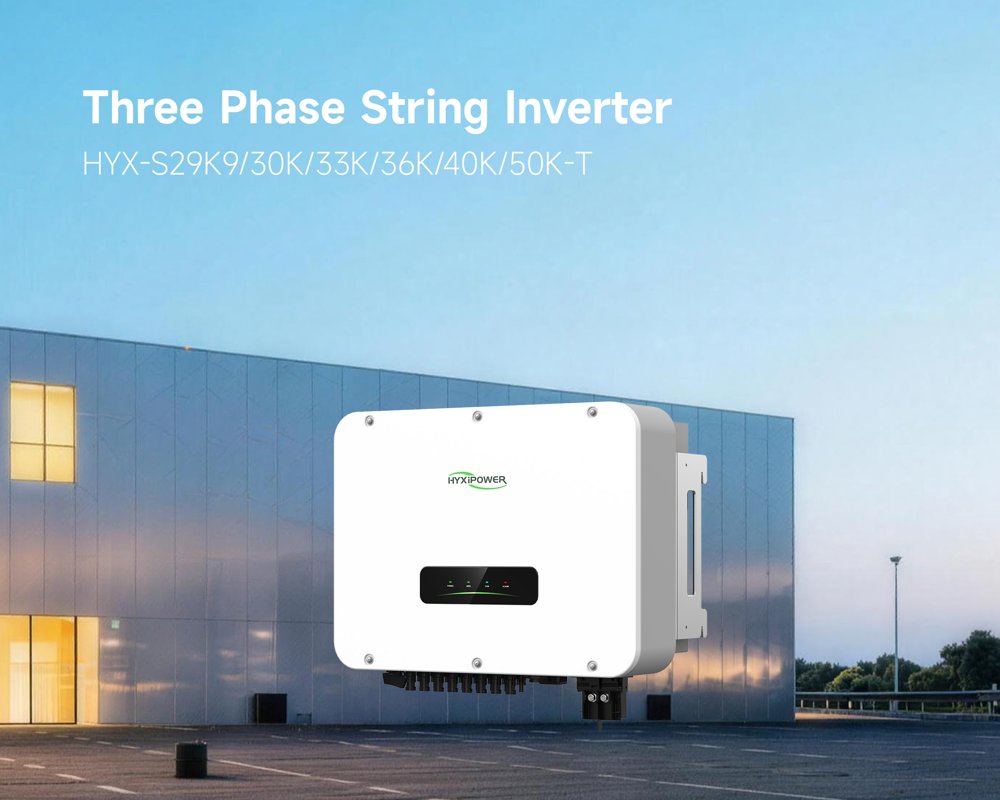
A string inverter takes a whole series of panels into one box. It is the most efficient rupee per watt on a clean, unshaded roof of one orientation, and it is what most commercial installations use.
A hybrid inverter is a string inverter that can also charge and discharge a battery and island itself from the grid. It costs more and it is what we recommend for almost every home, because it is the only one of the three that leaves storage as a decision you can still make later.
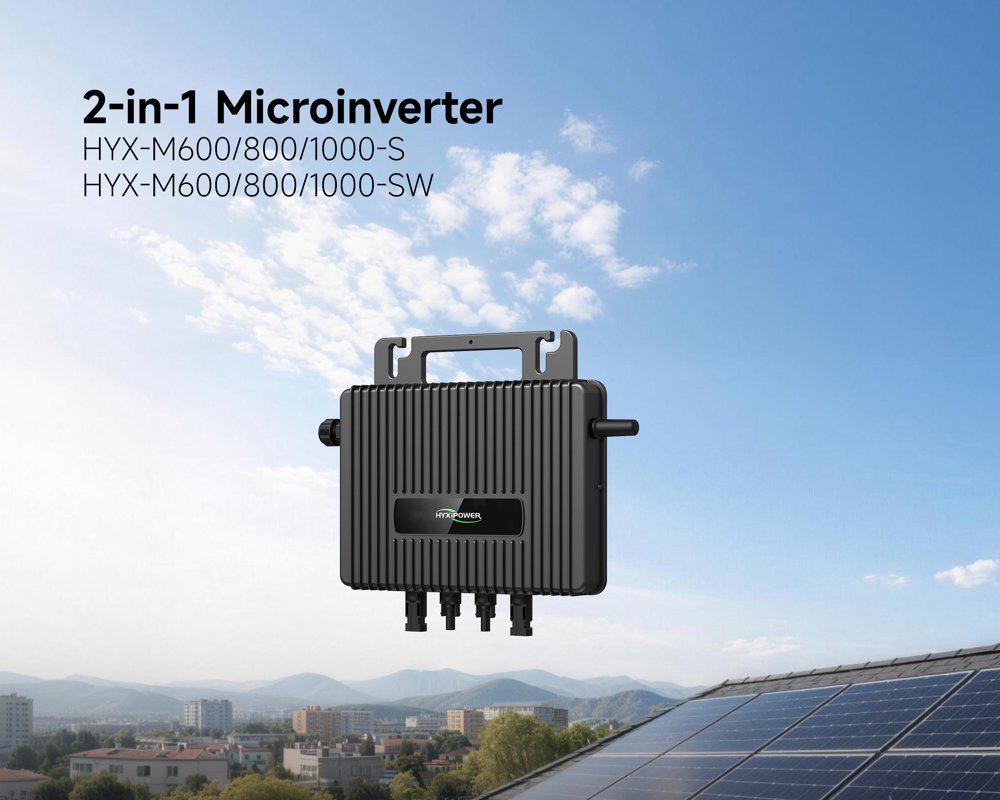
A microinverter sits under each panel and converts on the spot. When a roof is broken into several orientations, or a tree shades part of it for an hour every afternoon, this is the architecture that stops one bad panel dragging its whole string down — and it brings module-level monitoring and rapid shutdown with it.
| String | Hybrid | Micro | |
|---|---|---|---|
| Takes a battery | No | Yes | AC-coupled only |
| Handles shade | Poorly | Poorly | Very well |
| Mixed roof angles | Needs separate strings | Needs separate strings | No problem |
| Best for | Clean commercial roofs | Homes and small business | Complex or shaded roofs |
An inverter is rated in kW of AC output; an array is rated in kWp of DC. They are deliberately not equal. A modest amount of DC over-sizing is normal and desirable, because an array almost never delivers its full nameplate figure in real conditions — a little extra DC simply means more hours spent at full output.
Phase matters just as much. A single-phase supply takes a single-phase inverter; a three-phase supply should take a three-phase one, so generation is spread evenly across the phases rather than piled onto one. Getting this wrong is not a performance detail — it is a grid connection problem.
Solarex is a Hyxipower partner in Mauritius. Every unit below is one we install, commission and support ourselves.
Rugged C&I string inverters with AI dynamic MPPT and arc-fault protection — engineered for rooftops and ground mounts.
Module-level microinverters with rapid shutdown and mesh monitoring — maximise yield panel by panel, safely.
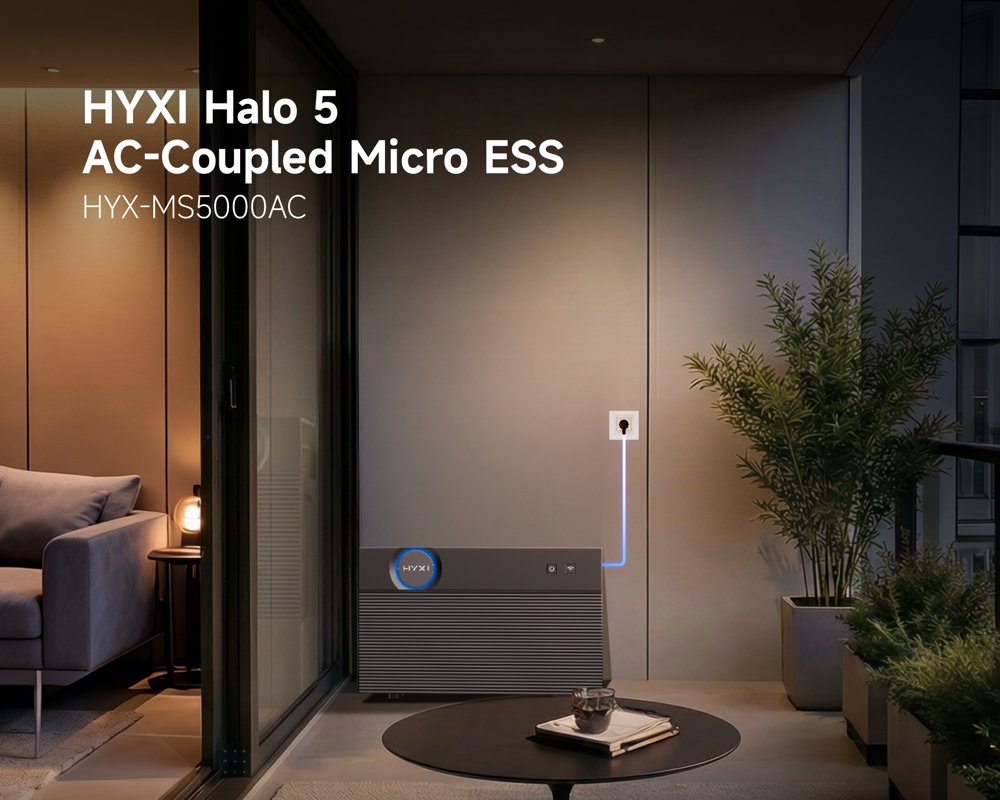
Plug-and-play AC-coupled home battery with a built-in inverter — installed in minutes and expandable with extra packs.
Start from the array. As a rule of thumb the inverter's AC rating sits somewhere near, and often slightly below, the array's DC rating in kWp — because the array rarely delivers its nameplate figure in real conditions. The right ratio depends on your roof's orientation and shading, so it is a design output rather than a rule. Our calculator will give you an indicative system size in about a minute.
An inverter is the hardest-working component in a solar installation — it is the one with switching electronics running every daylight hour — and it is the one most likely to need replacing before the panels do. Our equipment warranty is five years on low-voltage systems and ten on high-voltage systems. Mounting it out of direct sun and heat is the single cheapest thing you can do to extend its life.
Yes, and it is a common upgrade when someone with an existing array decides they want storage. The array usually carries over unchanged provided the string voltages suit the new unit. The alternative — leaving the old inverter alone and adding an AC-coupled battery beside it — avoids touching the DC side at all and is often quicker. We will price both.
Maximum power point tracking is how the inverter continuously finds the voltage at which the array delivers the most power. Each independent tracker can hold a different string at a different point — so a roof with two orientations wants at least two, or the weaker string drags the stronger one down. If your roof faces more than two ways, microinverters are usually the better answer.
Only if you have a three-phase supply — most Mauritian homes do not, while most commercial buildings do. On a three-phase supply a three-phase inverter is strongly preferred, so the generation is balanced across all three rather than concentrated on one. We check your supply before quoting.
Tell us about the roof and the supply, and we will specify the inverter your system can still grow into in five years.